Price charts show what the market is doing. On-chain data shows what the market participants are actually doing — specifically, where their coins are moving, at what profit or loss, and whether large holders are accumulating or distributing. This distinction is enormous: on-chain analytics allows you to observe whale accumulation before it moves price, or miner capitulation before the next rally. The blockchain's public ledger is the most transparent market data source in finance history.
The Most Important On-Chain Metrics
The Most Important On-Chain Metrics

MVRV Z-Score: Market Value to Realized Value. Compares Bitcoin's market cap to the aggregate cost basis of all coins — the realized cap (what each coin was worth when it last moved). Z-Score above 7 historically signals extreme overvaluation and has coincided with every major Bitcoin cycle top. Below 0 signals extreme undervaluation and has marked cycle bottoms. The MVRV Z-Score is the most reliable multi-year cycle timing tool in on-chain analysis, with a perfect track record across the 2013, 2017, and 2021 cycles.
Exchange Net Position Change tracks the net flow of BTC onto or off exchanges. Exchange outflows (coins leaving exchanges to personal wallets) are bullish: investors removing coins from circulation for long-term cold storage. Exchange inflows (coins moving onto exchanges) are bearish: investors preparing to sell. Bitcoin exchange reserves have been in a structural decline since 2020 — from approximately 3 million BTC on exchanges to under 2 million — a historically bullish supply signal.
Active Addresses and Transaction Count measure network health. Rising active addresses alongside rising price confirms organic adoption. Rising price with declining active addresses (price-address divergence) often precedes corrections. The September 2023 period showed exactly this pattern in Bitcoin: price holding above $25,000 while active addresses declined from 1 million+ to under 800,000 daily — a warning signal before the subsequent correction.
Exchange Flows: Reading Whale Behavior
Exchange Flows: Reading Whale Behavior
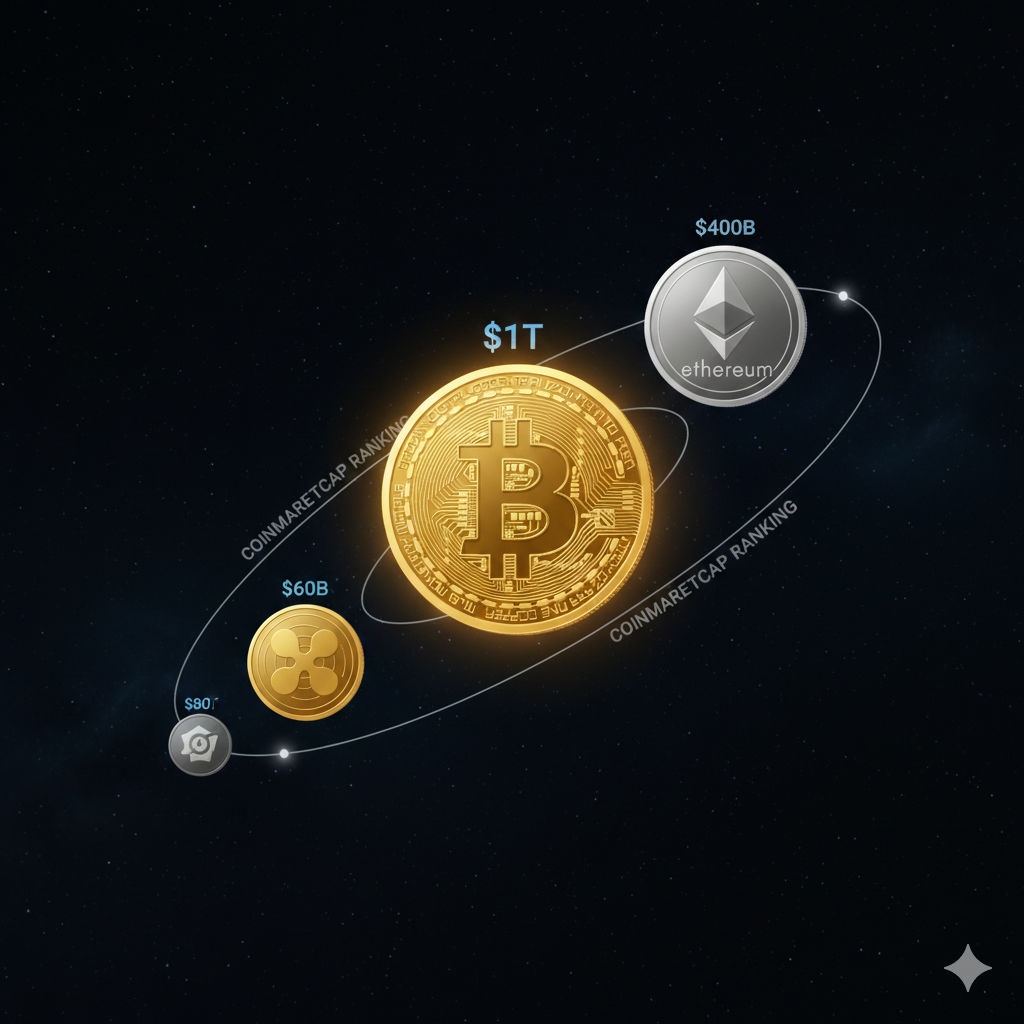
The exchange flow concept seems simple but has significant depth. Not all exchange inflows are bearish — some represent transfers between user wallets for personal reasons unrelated to selling. The signal is more reliable when aggregated: a sustained trend of net exchange inflows over weeks signals distribution, while a sustained trend of outflows signals accumulation. Single-day anomalies should be ignored in favor of the 7-day or 30-day moving average of exchange flows.
Miner exchange flows are a particularly powerful signal because miners are uniquely motivated to sell: they have fixed electricity costs denominated in fiat. When miners face profitability pressure (falling BTC price, rising difficulty), they sell reserves to cover costs — this is miner capitulation, and historically it coincides with market cycle bottoms. After miner capitulation ends (miners stop selling and begin accumulating), bull market recoveries have consistently followed within weeks to months.
- ✓Exchange reserves declining = less sell pressure potential = structurally bullish long-term
- ✓Large single exchange inflow from known whale wallet = watch for immediate selling pressure
- ✓'Whales are accumulating' signal = sustained multi-week declines in exchange reserves
- ✓Miner reserve changes: miners selling en masse = they need cash (bearish capitulation); miners accumulating = bullish setup
- ✓Stablecoin exchange inflows = dry powder entering — potential near-term buying pressure
- ✓XRP on-chain analytics: XRPScan, xrpl.org, and Bithomp provide XRPL-specific flow data for free
SOPR: Are Investors Profitable?
SOPR: Are Investors Profitable?
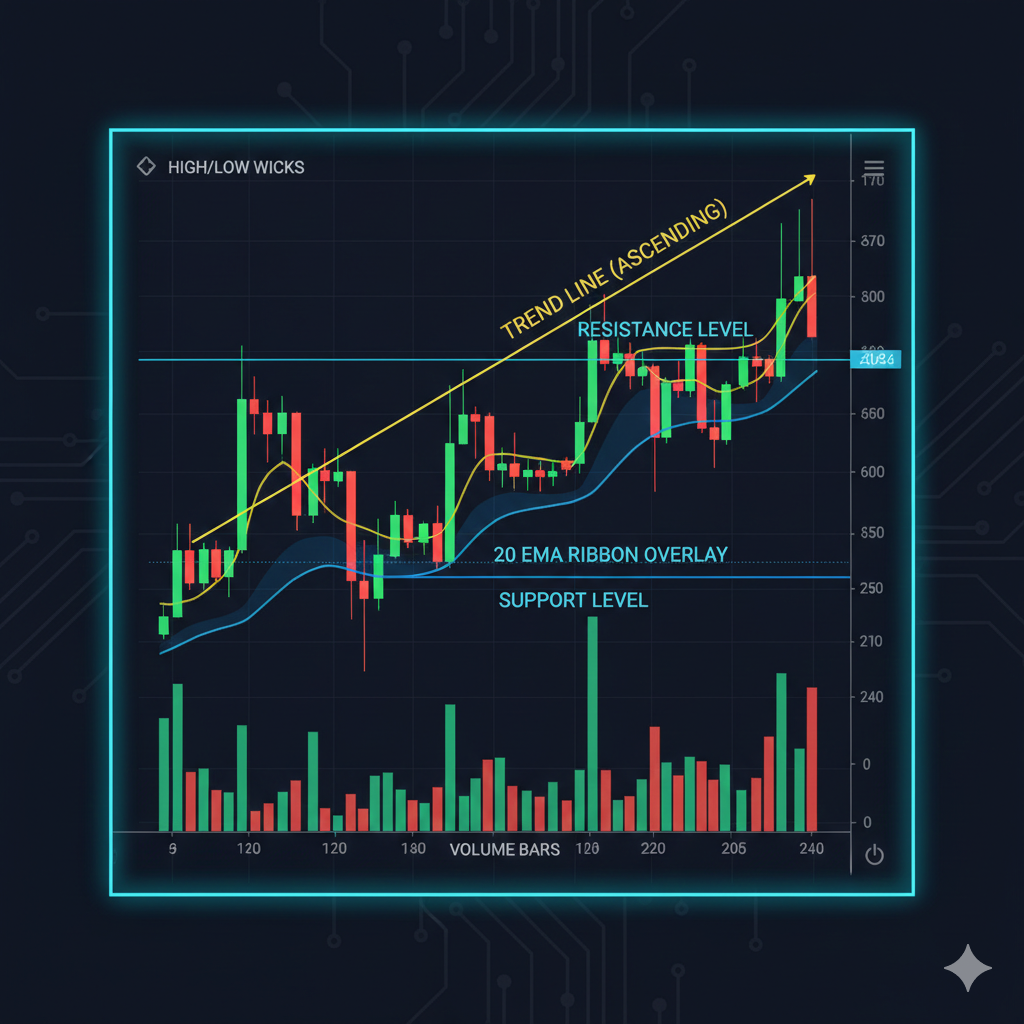
SOPR (Spent Output Profit Ratio) measures whether the coins being spent (sold/moved) are in profit or loss at the time of movement. SOPR above 1 = the average coin being moved is in profit; below 1 = the average coin moved is at a loss. A SOPR of 1.05 means the average coin moved realized a 5% profit at the time of movement.
The behavioral insight behind SOPR: investors strongly resist realizing losses. When SOPR briefly dips below 1 during bull markets (holders briefly forced to sell at losses), it historically marks local bottoms — because these forced sellers exhaust themselves quickly, and buyers step in as price becomes 'cheap' relative to cost basis. The inverse pattern occurs in bear markets: SOPR testing 1.0 from below represents overhead resistance — investors selling at break-even rather than continuing to hold.
Long-Term Holder SOPR (LTH-SOPR) specifically tracks coins that haven't moved in more than 155 days — the most conviction holders. When long-term holders begin moving coins at large profits (LTH-SOPR spikes to 5–10+), it historically signals late-stage bull market distribution. This signal appeared in both the November 2021 top and the April 2021 local top, providing weeks of advance warning before major corrections.
Building an On-Chain Monitoring System
Building an On-Chain Monitoring System

Building an actionable on-chain monitoring system requires three tiers of analysis: daily signals (whale alert transactions, exchange flow spikes), weekly metrics (MVRV Z-Score trend, exchange reserve changes), and monthly strategic indicators (realized price vs market price, long-term holder behavior). Glassnode provides the most comprehensive Bitcoin/Ethereum on-chain data; CryptoQuant excels at exchange flow analysis; XRPScan provides XRPL-specific metrics.
Free vs paid data access: Glassnode's free tier provides MVRV and basic exchange data with limited timeframes. CryptoQuant's free tier gives exchange flow data for major exchanges. For serious analysis, Glassnode's Standard plan ($39/month) or CryptoQuant's Pro plan unlocks historical data, custom alerts, and advanced metrics. Many professional traders consider on-chain data subscriptions one of the highest-ROI expenses in their analytical toolkit.
Integration with technical analysis: on-chain data answers 'who is doing what' and 'at what price.' Technical analysis answers 'where will price likely move next' based on historical patterns. The most effective traders use both: on-chain data for trend conviction and risk management, technical analysis for entry/exit timing. For example: MVRV suggesting a bull market is ongoing gives confidence to buy technical pullbacks, while exchange reserves near all-time lows adds conviction to the bullish thesis.
On-Chain Analytics FAQs
Earn XRP While You Study the Market
While you're analyzing on-chain data to perfect your entries, MineXrpOnline keeps your XRP position growing daily regardless of market timing. Let your mining income handle long-term accumulation.
Start Daily XRP Accumulation