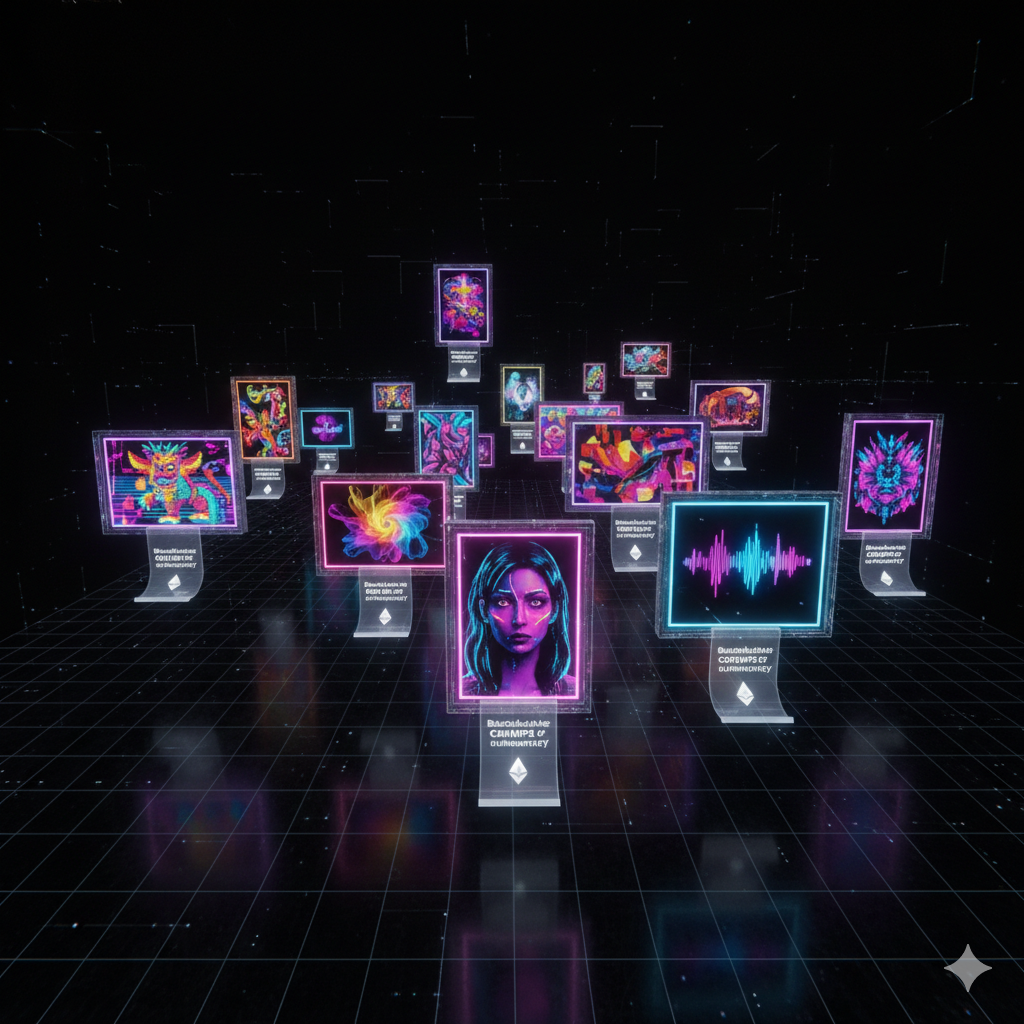
In March 2021, a digital artwork sold at Christie's auction house for $69 million. The buyer didn't receive a physical painting — they received a token on the Ethereum blockchain. That sale made the world pay attention to Non-Fungible Tokens (NFTs) for the first time. The hype faded, but the underlying technology quietly grew into something genuinely useful.
Fungible vs Non-Fungible: The Core Concept
Fungible vs Non-Fungible: The Core Concept
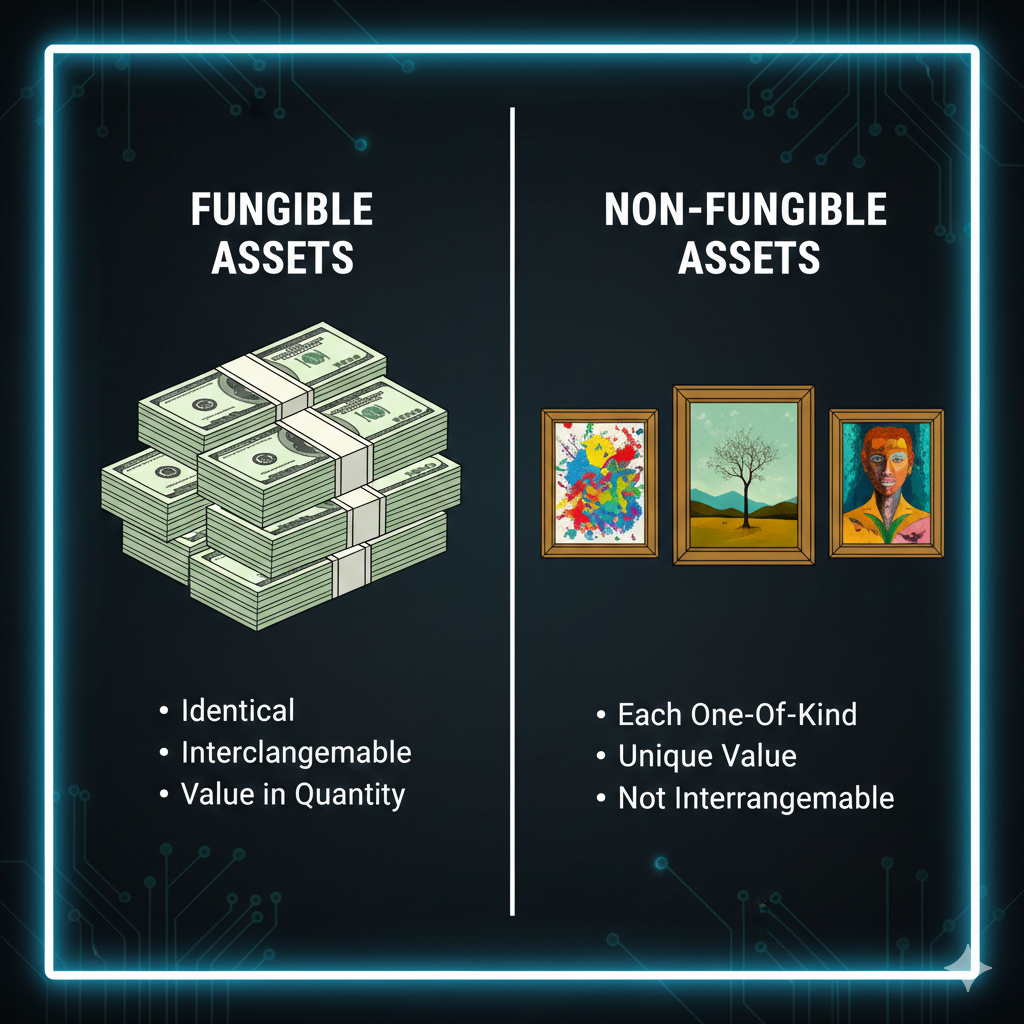
Fungible means interchangeable: one $50 bill is identically valued to another $50 bill. One Bitcoin is identical to another Bitcoin. Non-fungible means unique: the Mona Lisa is one specific painting with specific provenance — not interchangeable with any reproduction.
NFTs bring the concept of uniqueness and provenance to the digital world. Before NFTs, digital files could be infinitely copied with no way to prove 'original' ownership. NFTs change this by creating an immutable ownership record on the blockchain.
Real Use Cases Beyond Digital Art
Real Use Cases Beyond Digital Art
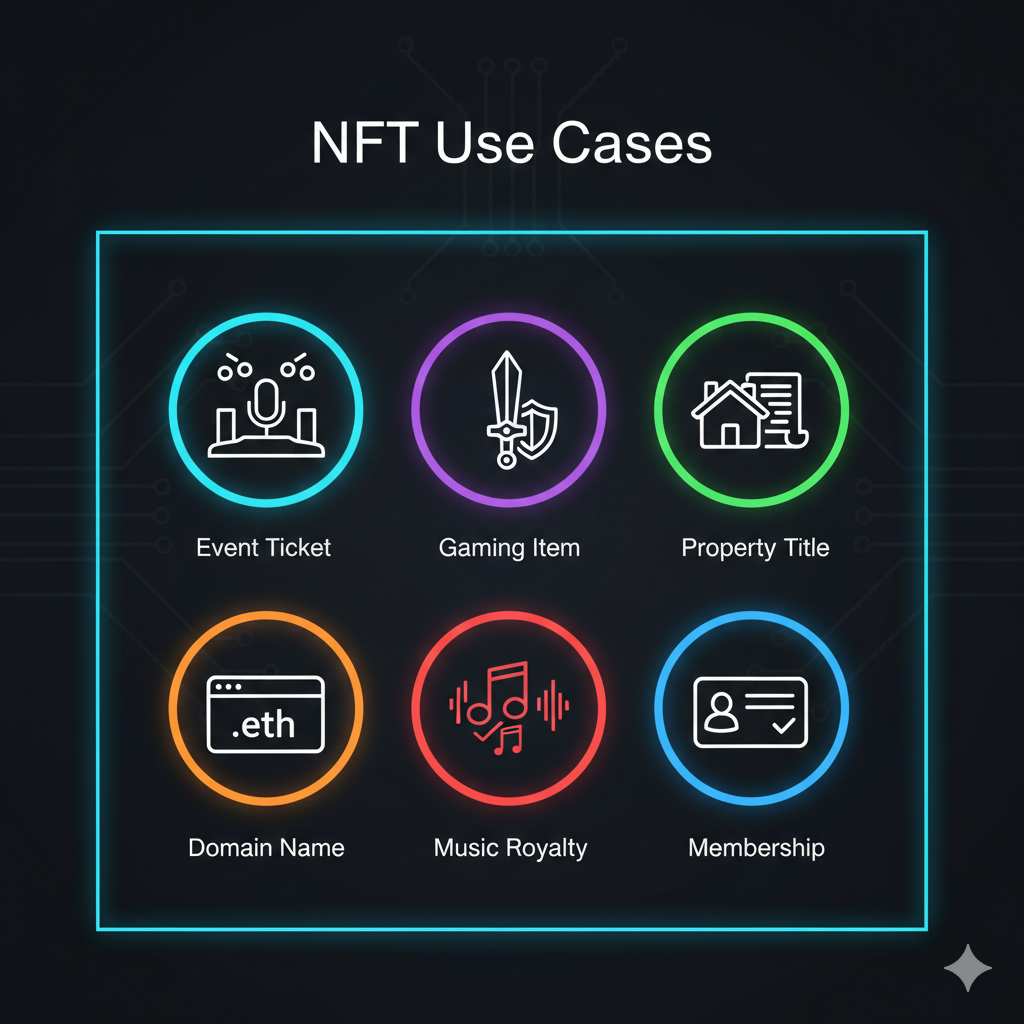
- ✓Event tickets: NFT tickets cannot be counterfeited; resale royalties go to artists
- ✓Gaming assets: true ownership of in-game items across game platforms
- ✓Real estate: tokenized property deeds enabling fractional ownership
- ✓Membership: DAO membership, exclusive communities (Bored Ape Yacht Club model)
- ✓Music rights: artists sell royalty streams directly to fans
- ✓Identity: Ethereum Name Service (.eth domains) as persistent Web3 identity
NFT FAQs
Build Your Crypto Foundation First
Before diving into NFTs, build a solid crypto base. Start with daily XRP earnings from MineXrpOnline to establish consistent passive income — then explore the broader ecosystem.
Start With XRP