Created by John Bollinger in the 1980s, Bollinger Bands consist of three lines: a 20-period moving average in the middle, and two outer bands at ±2 standard deviations from that average. As volatility increases, the bands expand; as volatility decreases (consolidation), they contract. This dynamic feature makes them essential for crypto's volatile markets.
Reading Bollinger Bands: Three Core Signals
Reading Bollinger Bands: Three Core Signals
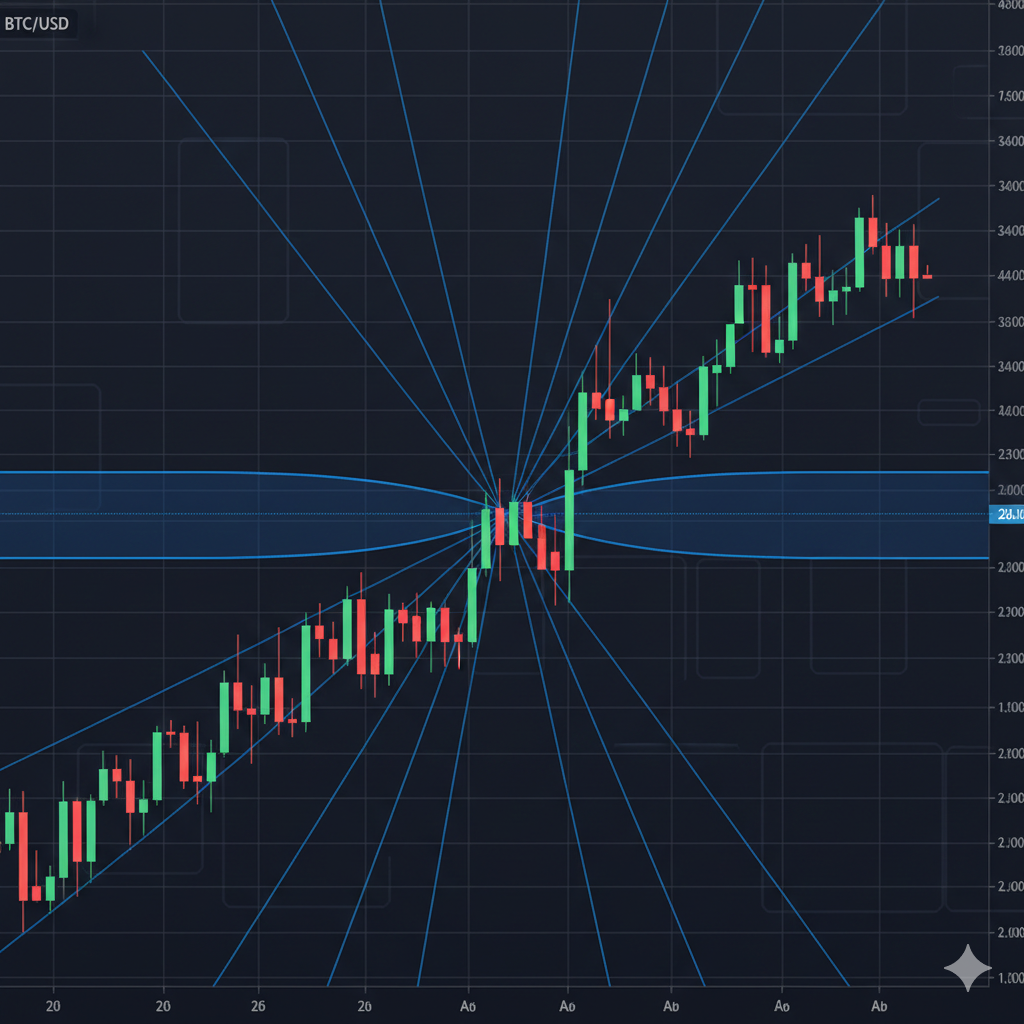
Bollinger Squeeze: Breakout Alert
When the bands narrow significantly (low volatility, consolidation), a major move is loading. The squeeze only tells you volatility is coming — not direction. Combine with other indicators to determine breakout direction. The tighter the squeeze, the more powerful the eventual breakout tends to be.
Band Walk: Trend Confirmation
During strong trends, price 'walks' along one of the outer bands, repeatedly touching or slightly exceeding it. Price walking the upper band = strong uptrend in persistence. This is when selling prematurely is costly — a proper trend continuation signal, not overbought.
Mean Reversion: Outer Band Reversal
Outside of strong trends, price touching the outer bands tends to revert toward the mean (middle line). Used as buy signals at the lower band and short signals at the upper band — most reliable during ranging/sideways markets, unreliable in trends.
%B and Bandwidth: Advanced Bollinger Metrics
%B and Bandwidth: Advanced Bollinger Metrics
- ✓%B = 0.0 means price is at lower band; 1.0 = upper band; 0.5 = at middle MA
- ✓Bandwidth = (Upper Band - Lower Band) / Middle Band × 100
- ✓Low Bandwidth historically precedes major bitcoin moves (below 5% bandwidth signal)
- ✓John Bollinger recommends using %B and Bandwidth as companion indicators to his bands
- ✓Pair Bollinger Bands with RSI and volume for highly confident setups
Bollinger Band FAQs
Consistent Returns Don't Need Squeeze Patterns
Whether Bollinger Bands are squeezing or expanding, MineXrpOnline cloud mining delivers daily XRP. Start accumulating now — one decision, ongoing returns.
Start Cloud Mining