Trading strategy accounts for maybe 20% of trading success. The remaining 80% is discipline, emotional control, and adherence to a well-defined process. Even perfect technical analysis signals are useless if you enter too large, exit too early out of fear, or revenge trade after a loss.
The Emotional Cycle of Markets
The Emotional Cycle of Markets

The Wall Street Cheat Sheet maps the emotional stages investors experience during complete market cycles. The crypto industry amplifies every emotion — boom cycles inspire delusions of easy wealth; busts trigger genuine despair. Recognizing which stage the market is in — and which emotions you personally feel — is the first step to emotionally intelligent investing.
The bitter irony: maximum financial risk is when you feel most confident (euphoria near tops); maximum financial opportunity is when you feel most desperate (price near bottoms). Systematic DCA and defined risk rules help override these emotions.
Common Trading Psychology Traps and Fixes
Common Trading Psychology Traps and Fixes
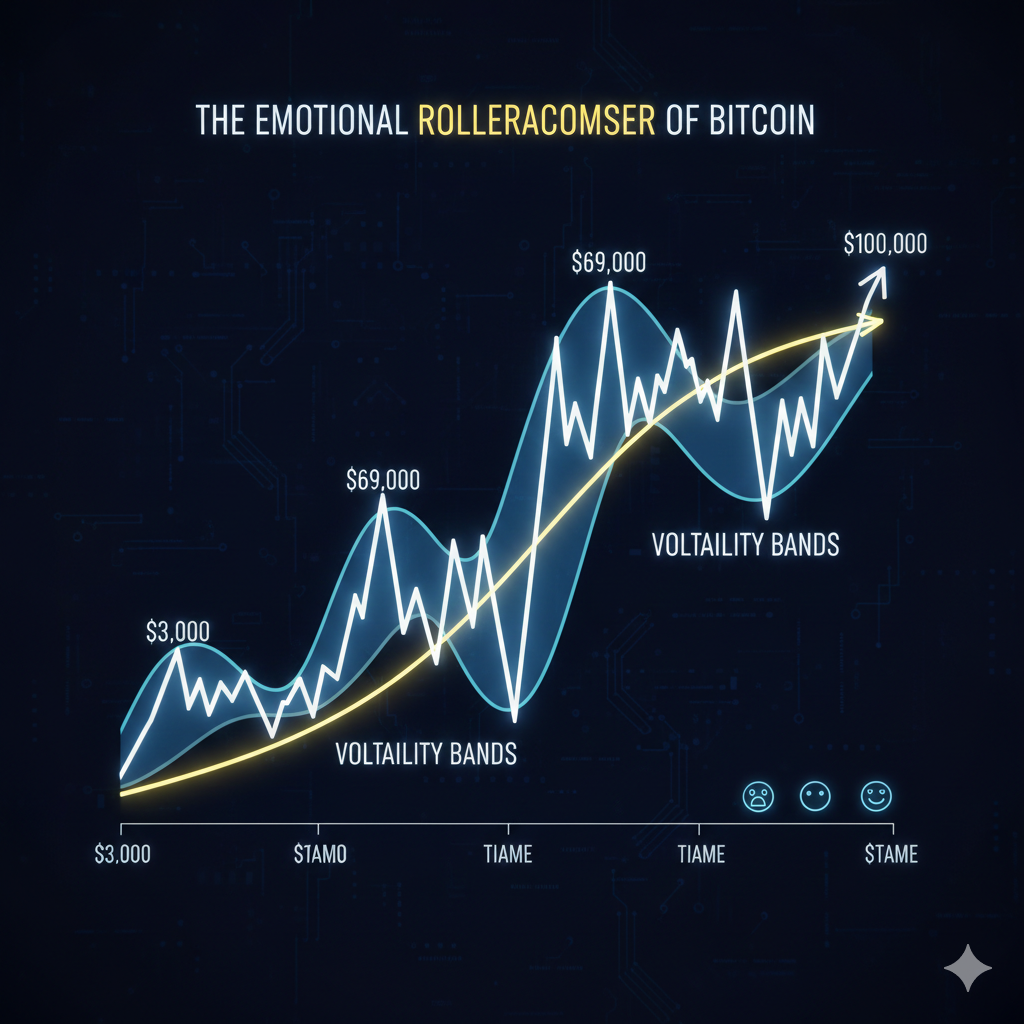
FOMO (Fear of Missing Out)
Triggered when price moves sharply up and you expect it to keep rising forever. Leads to buying at tops, overleveraging, and ignoring your entry criteria. Fix: pre-define entry points. If price has already moved 30%+ without you, it was simply NOT your trade — move on.
FUD (Fear, Uncertainty, Doubt)
Negative news causes panic selling, often at the exact wrong time. FUD is frequently manufactured by large market participants to shake out retail holders. Fix: decisions made during extreme fear have a dismal track record. Have a written plan and execute it, not a panic reaction.
Revenge Trading
After a loss, the emotional urge is to 'make it back immediately' — leading to oversized positions and ignoring setup criteria. Fix: mandatory break after losing streaks. Step away, journal the trade, re-read your rule set, then return with your standard position size.
Loss Aversion
Humans feel losses ~2.5x more strongly than equivalent gains. This leads to holding losing positions too long (hoping for recovery) while taking profits too early. Fix: position sizing that keeps any single loss emotionally manageable from the start.
Trading Psychology FAQs
Remove Emotion From Your Crypto Strategy
MineXrpOnline cloud mining earns daily XRP automatically — no charts to watch, no emotions to manage, no impulse decisions to regret. The ultimate set-and-forget crypto strategy.
Mine Without the Stress