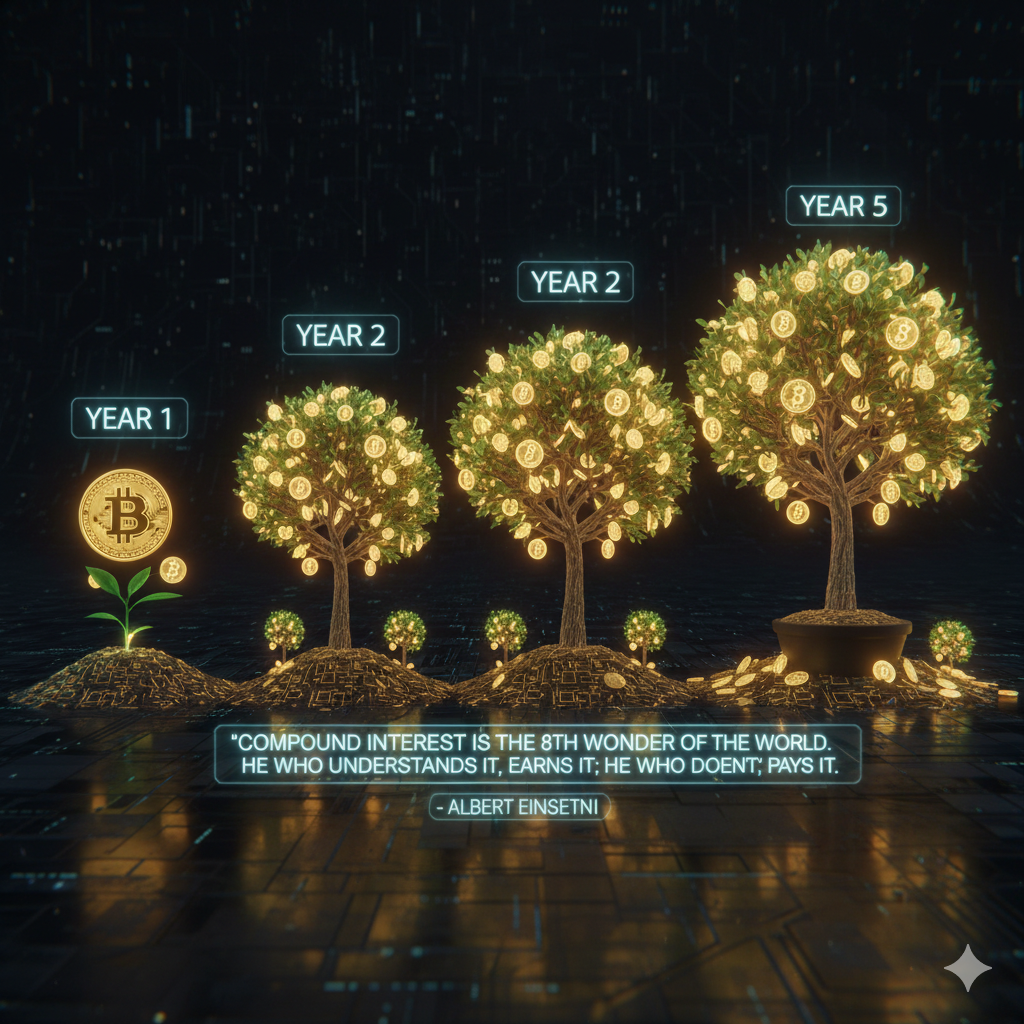
Lending is the cornerstone of generating passive yield on existing capital. In crypto, you supply your assets (Bitcoin, XRP, or Stablecoins) to a platform, and they lend those assets out to institutional traders or retail speculators who pay an interest rate. A portion of that interest is passed back to you as APY. The critical decision in 2026 is entirely about counterparty risk: do you trust a regulated corporate entity (CeFi), or do you trust open-source smart contract code (DeFi)?
Centralized Finance (CeFi) Lending
CeFi platforms operate like traditional fintech banks. You create an account, complete KYC identity verification, and hand over custody of your crypto to the company. The company (e.g., Nexo, or institutional desks like Coinbase Prime) then pools user funds and lends them to institutional market makers or hedge funds.
Pros: Incredible ease of use. If you forget a password, customer support resets it. They often pay yields on assets that are hard to natively yield-farm in DeFi (like native Bitcoin or XRP, depending on the platform). In 2026, the surviving platforms are heavily regulated and often undergo proof-of-reserves audits.
Cons: 'Not your keys, not your coins.' You surrender zero-knowledge custody. The APY is determined arbitrarily by the company's executive board, and they take a massive cut of the spread. If the company goes bankrupt due to bad risk management (as Celsius and BlockFi did), your deposited crypto is tied up in bankruptcy court for years, and you will take a massive haircut.
Decentralized Finance (DeFi) Lending
DeFi protocols (like Aave or Compound) have no CEO, no physical headquarters, and no customer support. They are autonomous smart contracts living permanently on the blockchain. You deposit your funds into the contract from your self-custody wallet, and the contract programmatically facilitates loans to borrowers who deposit heavy collateral.
Pros: Absolute transparency. You can view the exact health, collateralization, and liquidation risk of the entire protocol live on the blockchain. You retain self-sovereignty (you withdraw via smart contract, no corporate approval needed). All loans are over-collateralized by code, preventing 'unsecured' bad debt that ruins CeFi lenders. Yields are algorithmically set by real-time supply and demand.
Cons: Smart contract exploits. If a hacker finds a bug in the code, they can drain the protocol and there is no insurance to make you whole. The user experience requires managing private keys, network gas fees, and understanding basic blockchain mechanics.
The 2026 Platform Breakdown
Aave (DeFi)
The undisputed king of DeFi lending. Operating smoothly through multiple bear markets without a major hack, Aave manages billions in Total Value Locked (TVL). It is the safest place in crypto to park USDC for pure passive yield (typically 4-8% APY).
Compound (DeFi)
The primary competitor to Aave. Very similar over-collateralized smart contract structure. Often used by institutions due to its deeply audited V3 architecture.
Nexo (CeFi)
One of the few retail-facing CeFi lenders to survive the 2022 purge by utilizing massive over-collateralization and real-time auditing. Offers high yields, but requires locking up funds and holding their native NEXO token to achieve the highest advertised rates.
How to Integrate Lending with Cloud Mining
Lending and Cloud Mining create the ultimate wealth loop when combined. The optimal strategy in 2026:
Your MineXrpOnline cloud mining contract continuously generates raw net-new XRP.
You withdraw this XRP periodically and convert a targeted percentage into stablecoins (USDC) to lock in fiat profits.
You deploy those USDC stablecoins into a battle-tested DeFi protocol like Aave, immediately generating a secondary 6% passive yield on the profits generated by your primary mining engine.
Crypto Lending FAQs
Generate Yield Without Transferring Custody
Lending requires trusting a third party or a smart contract with your principal. Cloud mining via MineXrpOnline allows you to purchase a service contract and receive yield directly to your cold storage wallet, maintaining ultimate security over your earnings.
Start Secure Generation