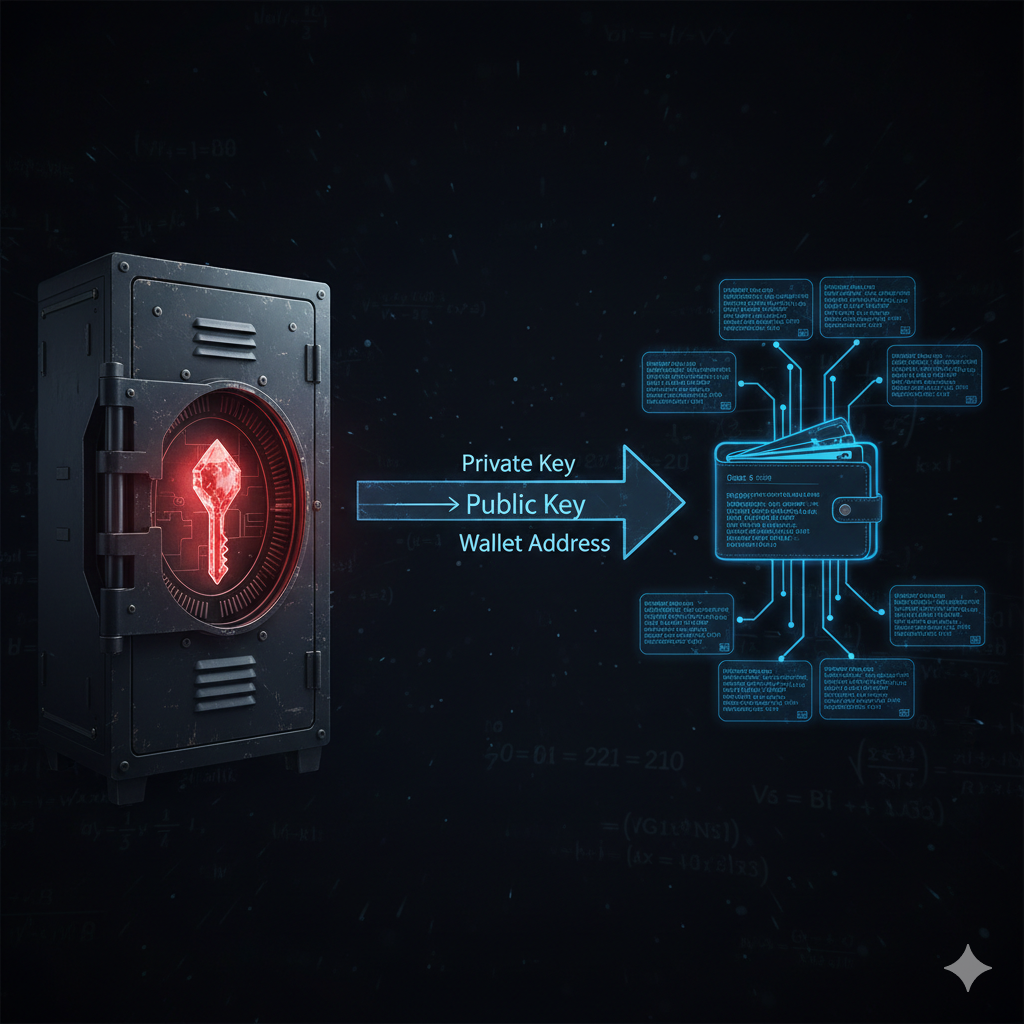
The mantra 'Not your keys, not your coins' is the most painful lesson crypto investors continually relearn. When a centralized exchange collapses, the crypto sitting in your app balance does not belong to you — you are merely an unsecured creditor in a bankruptcy proceeding. Conversely, self-custody via a hardware wallet guarantees cryptographically absolute ownership, but places the entire burden of security squarely on your shoulders. Here is the definitive guide to making the right storage choice for your passive income earnings in 2026.
Exchange Custody (Hot Storage)
When you buy XRP or Bitcoin on Coinbase, Kraken, or Binance, the exchange holds the private keys. The number you see in your app is an IOU — an entry in their internal database promising that they owe you that amount of crypto.
Pros: Incredible convenience. Instant fiat off-ramps (selling to US dollars). Excellent customer support for account recovery if you forget an email password. Staking and yield products are often integrated with one click.
Cons: Total counterparty risk. If the exchange goes bankrupt, gets hacked, or freezes your account for 'compliance reasons,' you have absolutely no recourse to access the crypto. You must ask permission to withdraw, and limits usually apply.
Hardware Wallets (Cold Storage)
A hardware wallet (like Ledger, Trezor, or Coldcard) is a USB or Bluetooth device that generates and stores your private keys completely offline. When you want to send crypto, the transaction is created on your phone/computer, sent to the device, signed offline inside the secure chip, and the signed transaction (which contains no private key data) is sent back to the internet.
Pros: Absolute, mathematically guaranteed ownership. Immune to exchange bankruptcies, government seizures, or localized internet outages. Nobody can freeze your account. You can interact directly with decentralized finance (DeFi) protocols.
Cons: Zero customer support if you make a mistake. If you lose the device AND the 24-word backup phrase, the funds are permanently irretrievable. Setting up and executing transactions takes slightly more technical effort than tapping a button on an exchange app.
The Hybrid Approach for Passive Income
Most successful crypto investors in 2026 do not choose just one method; they use a hybrid approach based on the function of the capital.
Trading Capital (10-20%): Kept on major, heavily regulated exchanges (Coinbase, Kraken) for immediate liquidity. This allows capturing rapid price movements during periods of high volatility without fumbling with hardware wallets.
Long-Term Wealth & Passive Income (80-90%): Kept in cold storage. For example, if you are generating daily XRP through MineXrpOnline cloud mining, your withdrawal address should be your hardware wallet. This ensures that as your passive income accumulates over months and years, it is automatically routed into the most secure environment possible.
Custody FAQs
Mine Directly to Your Private Vault
MineXrpOnline supports direct withdrawals to your hardware wallet. Start cloud mining today, build your XRP stack passively, and secure it with the confidence of absolute self-custody.
Start Mining XRP