Tokenomics — the economic design of a cryptocurrency — is one of the most important (and most overlooked) factors in long-term value assessment. XRP's tokenomics are relatively simple but have important nuances that every serious investor should understand.
XRP Supply: The Complete Picture
XRP Supply: The Complete Picture
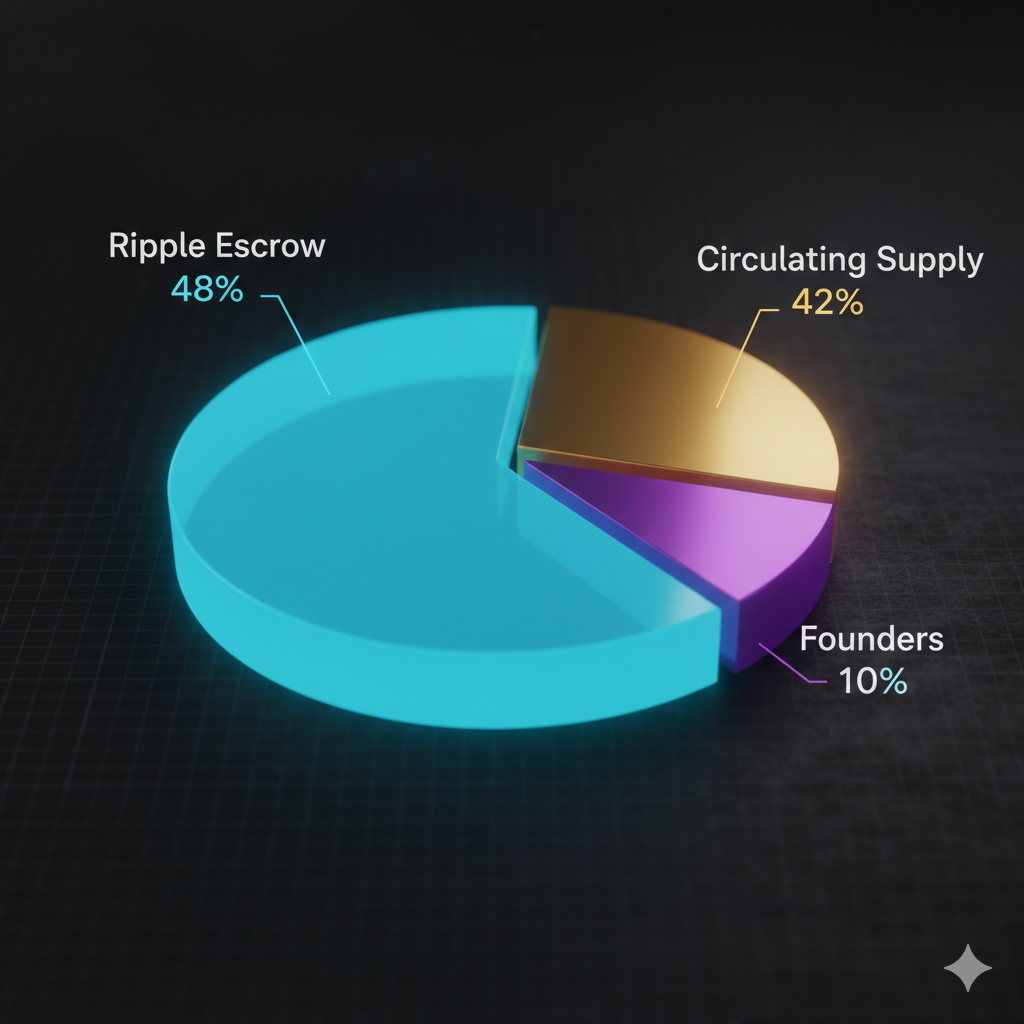
Total supply: 100 billion XRP created at genesis in 2012 — no more will ever be created. This is fundamentally different from Bitcoin (which approaches its 21M cap asymptotically through mining) or Ethereum (which adjusts supply based on network conditions).
Circulating supply as of 2026: approximately 54-56 billion XRP. This includes all XRP held in personal wallets, exchange reserves, institutional holdings, and Ripple's non-escrowed operational funds. The remainder is held in Ripple's time-locked escrow contracts.
XRP's Deflationary Burn Mechanism
XRP's Deflationary Burn Mechanism
Every transaction on the XRP Ledger destroys (burns) a small amount of XRP as the transaction fee — currently 10 drops (0.00001 XRP). This fee is NOT collected by any entity; it is permanently destroyed, reducing XRP's total supply with every transaction.
At current transaction volumes, approximately 5,000-15,000 XRP are burned daily. Projected long-term: over billions of transactions, XRP becomes increasingly deflationary. While the absolute burn rate is modest compared to total supply, it establishes an important floor: XRP supply can only decrease over time, never increase.
- ✓Transaction fee: 10 drops = 0.00001 XRP (permanently burned)
- ✓Current daily burn: ~10,000-15,000 XRP depending on network activity
- ✓Total burned to date: approximately 4-5 billion XRP (as of 2026)
- ✓Higher network activity = faster deflation = decreasing supply
- ✓No fee recipient — unlike Ethereum where base fee is burned but miners receive tips
- ✓This deflation floor strengthens the long-term supply case for XRP holders
Circulating Supply Dynamics
Circulating Supply Dynamics
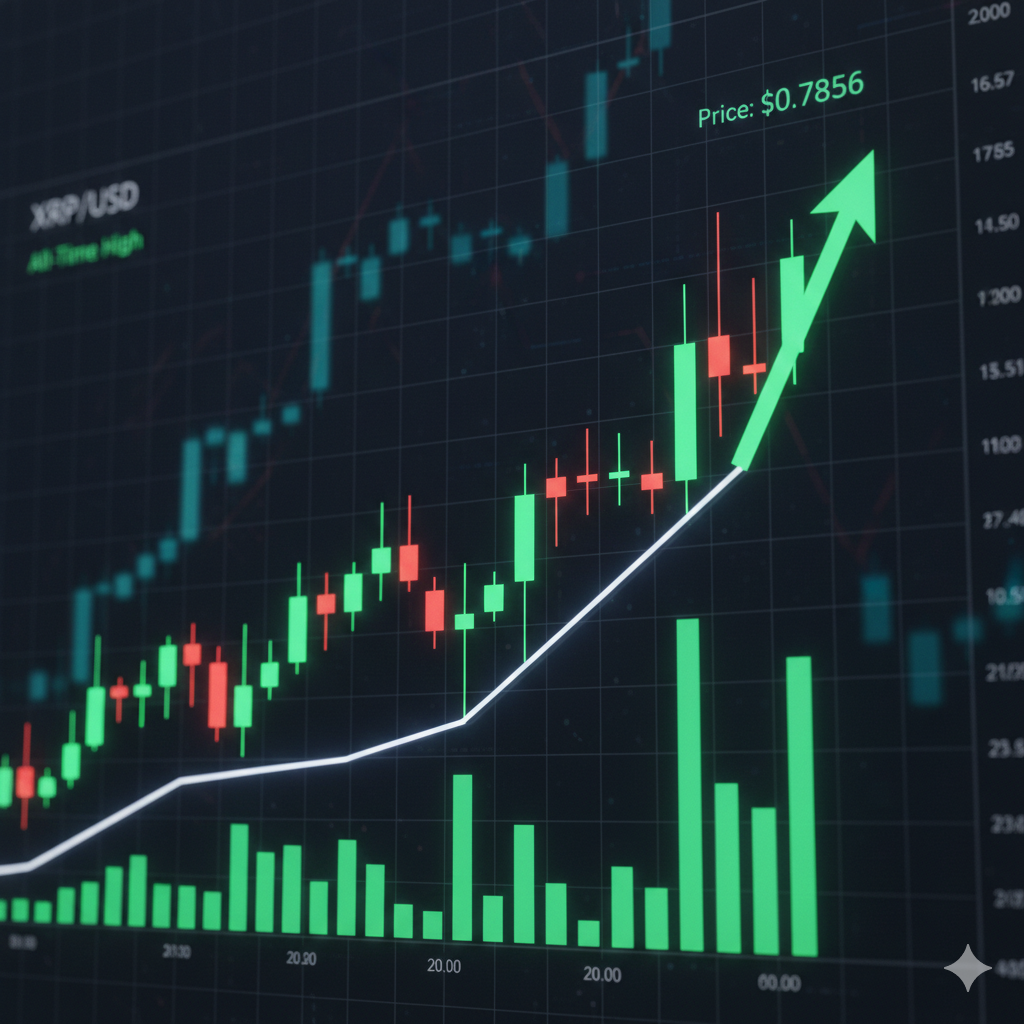
The circulating supply of XRP changes through two opposing forces: monthly escrow releases (adding to circulating supply) and transaction burns (removing from supply). The net effect has been a slow increase in circulating supply — but this is decelerating as Ripple re-escrows more of each monthly release and burn rates grow with adoption.
Analyst modeling: if XRP achieves its target adoption in ODL payment corridors and CBDC bridging, daily transaction volume (and thus daily burn) would increase 10-100x — potentially making XRP's burn mechanism as significant as Ethereum's EIP-1559 in relative terms.
XRP Tokenomics FAQs
Accumulate Deflationary XRP While the Bull Market Builds
Understanding XRP's tokenomics makes the investment case clearer: fixed supply, growing burn, growing utility demand. Build your XRP stack daily with MineXrpOnline's cloud mining platform.
Start Mining XRP Daily