
Social engineering — manipulating people into giving up their credentials or signing malicious transactions — bypasses all the cryptographic security that makes blockchain powerful. The most secure blockchain is useless if you hand over your seed phrase to a convincing scammer. This guide catalogs how phishing works and builds immunity.
Common Crypto Phishing Attack Types
Common Crypto Phishing Attack Types

Fake website phishing: attackers create nearly identical copies of popular crypto sites (Metamask, Uniswap, Ledger, exchanges) with slightly modified domains (metamask-wallet.io, ledger-support.com). Users who land on these sites enter seed phrases or passwords which are captured instantly.
Wallet drainer scripts: malicious NFTs, tokens, or 'airdrop' pages that request approval to spend unlimited token amounts in your wallet. Once approved, the script immediately drains all assets at the token contract level — impossible to reverse.
Discord/Telegram impersonation: fake support accounts claiming to be from popular projects' support teams. They create urgency ('your wallet is at risk!') and request seed phrases or remote desktop access to 'help' resolve the fake issue.
Defense Playbook: 10 Rules to Never Break
Defense Playbook: 10 Rules to Never Break
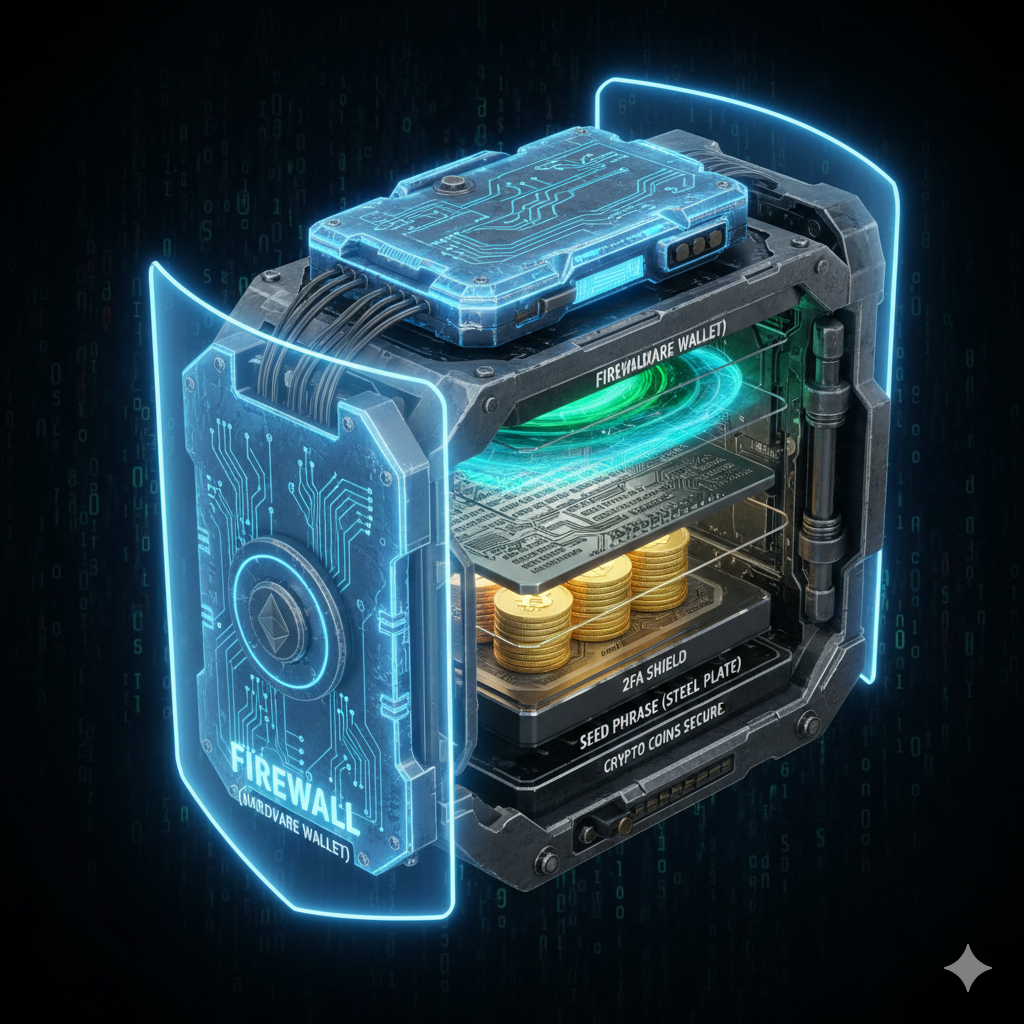
- ✓NEVER share your seed phrase with anyone — ever, under any circumstances, for any reason
- ✓Bookmark all crypto sites — never search for them and click results
- ✓Use a hardware wallet for all DeFi interactions — malicious signatures don't affect hardware wallets by design
- ✓Before approving any DeFi transaction, check permissions: unlimited approvals are almost always suspicious
- ✓Enable authenticator app 2FA everywhere — SMS 2FA is vulnerable to SIM swap attacks
- ✓Official support NEVER initiates contact in DMs — always verify via official channels
- ✓Use a dedicated browser profile or device for crypto — no other browsing activity
- ✓Small test transactions before any large transfer — verify the destination is correct
Phishing Protection FAQs
Keep Your Earned XRP Safe
Your MineXrpOnline daily XRP earnings are only valuable if they stay secure. Follow our security guidelines and consider withdrawing accumulated XRP to a personal hardware wallet for maximum safety.
Start Mining XRP Safely