
In 2023-2024, the AI crypto narrative produced explosive price movements — tokens like FET (Fetch.ai), AGIX (SingularityNET), and RNDR (Render Network) surged 5x-20x as AI hype merged with crypto speculation. Behind the hype, genuine technical developments are creating real AI-blockchain intersections with lasting utility. This guide separates the real developments from the speculation — and explains why both are worth understanding.
Real AI-Crypto Intersections
Real AI-Crypto Intersections
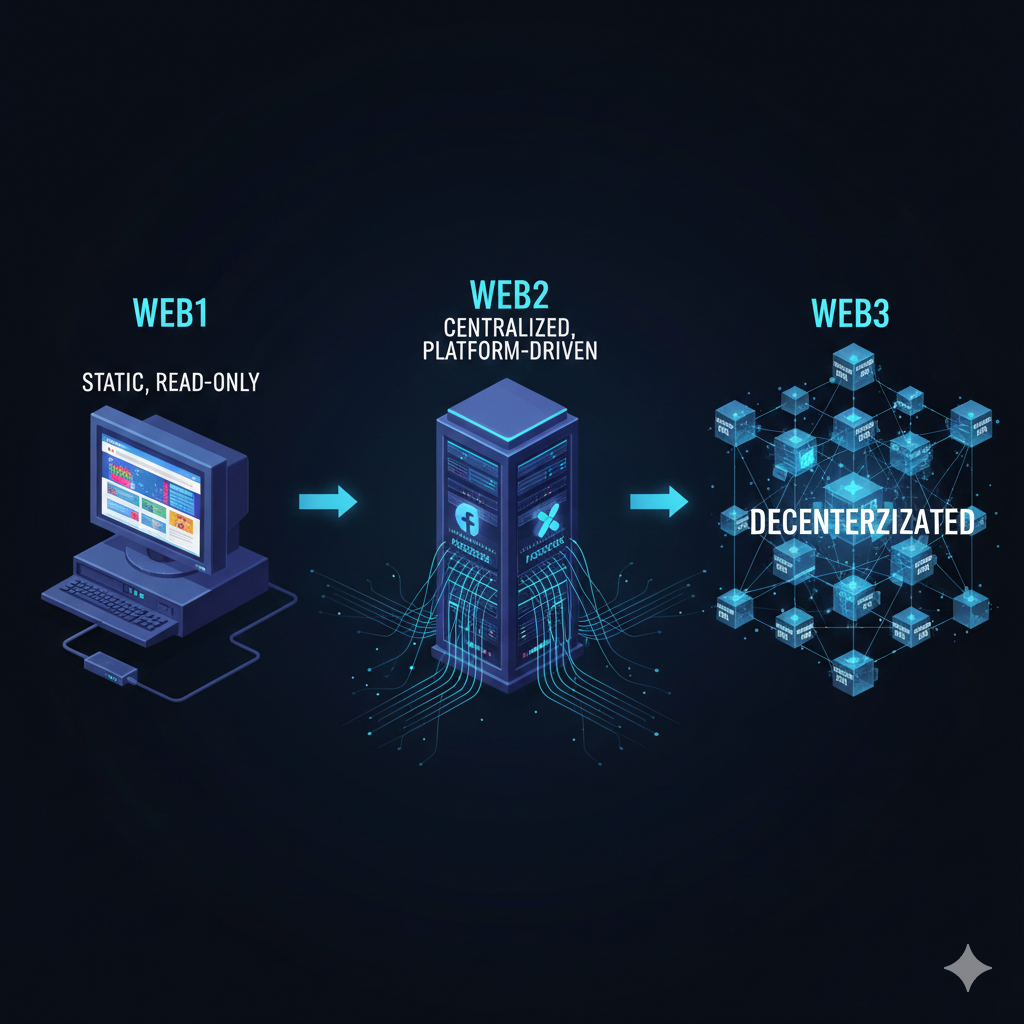
Decentralized AI compute: protocols like Bittensor (TAO), Akash Network, and Render Network create blockchain-incentivized marketplaces for GPU compute — enabling AI training and inference on distributed, censorship-resistant infrastructure rather than centralized cloud providers (AWS, Google Cloud, Azure). The value proposition: AI compute at 30–70% lower cost than centralized alternatives, with no single-point censorship or vendor lock-in.
AI-enhanced trading: sophisticated AI and ML models now manage significant portions of institutional crypto trading — analyzing on-chain data, order flow, sentiment signals, and technical patterns at superhuman speed and scale. Quantitative hedge funds like Jump Trading, Cumberland, and Wintermute deploy AI-driven market-making strategies across crypto exchanges. These systems drive market efficiency and create increasing challenges for purely discretionary human traders who cannot process the same data volume.
Smart contract security: AI-powered audit tools like Slither, Mythril, and newer LLM-based systems can automatically scan smart contract code for common vulnerability patterns — reducing (but not eliminating) the risk of exploits. The 2023-2025 period has seen AI-assisted auditing become standard practice for major DeFi protocols. However, AI audits complement rather than replace human expert review for high-value contracts.
AI Crypto Token Landscape
AI Crypto Token Landscape

The AI crypto sector can be divided into genuine infrastructure (compute marketplaces, data indexing) with actual utility demand, and narrative tokens that trade primarily on association with AI hype cycles. Render Network and Akash Network have measurable revenues from actual compute customers — distinguishing them from pure speculation. Bittensor's subnet model creates interesting economic incentives for AI contribution but is technically complex and its token economics are still evolving.
- ✓Render Network (RNDR/RENDER): decentralized GPU rendering for AI/3D — real commercial use cases, profitable node operators
- ✓Bittensor (TAO): decentralized AI intelligence network with tokenized model contributions — unique economic model for AI training
- ✓Fetch.ai (FET, now Artificial Superintelligence Alliance ASI): AI agent platform for autonomous task execution on-chain
- ✓SingularityNET (AGIX): decentralized AI services marketplace — Ben Goertzel's long-standing AGI project
- ✓The Graph (GRT): blockchain data indexing — critical infrastructure for AI analysis of on-chain data at scale
- ✓AI agent micro-cap coins: 2024-2025 micro-cap AI agent narrative — significantly more speculative, high volatility
AI and XRP: Specific Intersections
AI and XRP: Specific Intersections
AI enhances XRP's payment utility specifically: machine learning models can optimize ODL corridor routing in real-time — selecting the cheapest, fastest path between multiple exchange pairs across different geographies simultaneously. This optimization problem (selecting optimal execution timing, route, and liquidity source for a payment) is precisely the kind of multi-variable optimization where ML outperforms rigid rules-based systems.
Ripple's engineering teams are actively integrating AI into payment infrastructure — applying ML to fraud detection, route optimization, and predictive liquidity management for ODL corridors. AI-driven compliance systems can make real-time KYC/AML decisions for payment flow automation, enabling the sub-5-second full compliance checks that enterprise payment partners require.
XRPL Hooks (forthcoming on mainnet) will enable programmable smart contract-like logic directly on the XRP Ledger. Combined with off-chain AI oracle systems that feed data and decisions to on-chain Hooks logic, this creates a new paradigm: AI-controlled XRP payment automation. For example, an AI system could autonomously manage cross-border payment flows, selecting optimal timing and corridors without human intervention — powered by XRPL's 1,500 TPS capacity and $0.0001 fees.
The Convergence Thesis: AI Needs Crypto, Crypto Needs AI
The Convergence Thesis: AI Needs Crypto, Crypto Needs AI

The convergence between AI and crypto is structural, not just narrative. AI has a genuine need for decentralized infrastructure: as AI capabilities become economically and politically important, centralization of AI compute creates monopoly and censorship risks. Decentralized compute protocols (Bittensor, Akash, Render) offer AI developers infrastructure that no single government or corporation can shut down.
Crypto networks benefit from AI in equally concrete ways: AI-driven user experience improvements can abstract the complexity of wallets, gas fees, and on-chain interactions — lowering the barrier to mass adoption. AI-powered smart contract auditing reduces security risk. AI-driven fraud detection protects bridge protocols. AI-optimized liquidity management improves DeFi efficiency. The integration makes both technologies more useful and more accessible.
For investors, the AI-crypto convergence creates several themes worth tracking: infrastructure plays (compute marketplaces will grow as AI demand grows), AI-enhanced protocol value (DeFi protocols that integrate AI optimizers may outcompete simpler alternatives), and direct AI token exposure (for those willing to accept high volatility for potential high returns during AI hype cycles).
AI and Crypto FAQs
Accumulate the Payments-Focused AI-Enhanced Asset
XRP's payment infrastructure is increasingly AI-enhanced. Position in XRP through MineXrpOnline's daily mining rewards as both AI and payment adoption curves converge.
Start Daily XRP Accumulation